
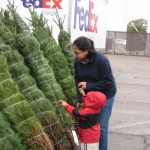
 The Christmas SPIRIT Foundation (CSF) is a nonprofit organization dedicated to advancing the Spirit of Christmas for kids, families and the environment. Since 2005, CSF has delivered 50,000 Real Christmas Trees to military families in the U.S. and overseas through the Trees for Troops program.
CSF is inviting people to become local hosts of fundraising events called “Tweetup4Troops,” designed to help raise money for CSF’s Trees for Troops program. Tweetup4Troops events will be held the week of Veteran’s Day (Nov. 7 – Nov. 14) to help honor veterans, support Trees for Troops and have fun!
Click here for more information about how, why and where you can host a local event in your community!
Click here to register to become a local host of Tweetup4Troops.
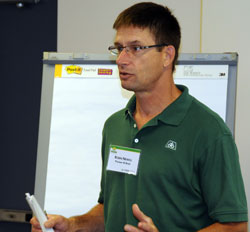 The man who got us started here at the Pioneer Hi-Bred Forage Media Day is Robin Newell. Cindy spoke to him about the “long look.” He says the Pioneer long look has four components that include: “We strive to create the best products;” “We deal honestly and fairly with our constituents;” “We represent our products vigorously;” “We help our customers get the most from our products.” He says the focus today on the development of corn silage and alfalfa and inoculants like their
  Since I have returned to my family’s cattle operation, I’ve quickly been put in charge of all marketing efforts. For the fair, I developed a brochure about our business, as well as designed stall cards to display information about our cattle. My next task is improving our website (it’s in need of dire help), and starting up a newsletter for our customers.
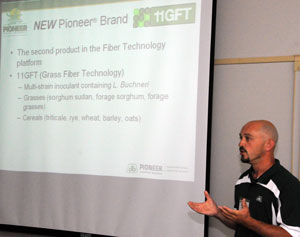 The news here at the Pioneer Hi-Bred Forage Media Day is a new product. The
 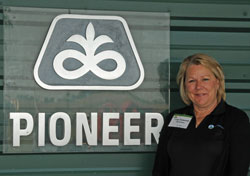 The Pioneer Forage Media Day has started with class in session at their Livestock Nutrition Center near Des Moines, IA. We have a very good attendance from the ag media. Cindy (

 In just a few days
  National FFA members will be getting an education in the growing field of renewable fuels, thanks to a new partnership.
 The
The  In this weeks program I chat with new a
 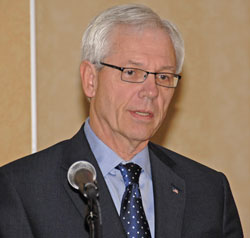 Heres a photo of Tom I took from a Farm Foundation Forum I attended. In fact, as I looked back through posts here on AgWired, hes been kind of a regular! Were really looking forward to working with Tom in his new position.