
Syngenta is hoping that a settlement reached last week over atrazine in water supplies will help the farmers who depend on the herbicide that is more than 50 years old.
 The proposed settlement agreement will cost the company $105 million and still requires court approval but the hope is that it will “end the uncertainty and expense of almost eight years of litigation.”
“This settlement is good for the company and the farmers who depend on atrazine, as well as our retailers, distributors, partners, and others who have been inconvenienced by this ongoing and burdensome litigation,” said Syngenta officials in a press release.
“We’re relieved that a settlement has been reached that will allow our farmer members to use this proven and safe tool on their farms,” said National Corn Growers Association (NCGA) President Garry Niemeyer. “Atrazine safety has been verified by thousands of studies and numerous reviews by the U.S. Environmental Protection Agency, and we’re happy to have this nuisance lawsuit behind us so our growers can move forward and do what they do best – help feed and fuel the world, sustainably.”
In making the settlement, Syngenta “acknowledges no liability and continues to stand by the safety of atrazine,” while the $105 million will be used for water systems that have “detected any amount of atrazine in its raw or finished water in the past or up to approximately 90 days after the date of preliminary approval of the settlement.”
According to the settlement, the scientific evidence continues to make it clear that no one ever has or ever could be exposed to enough atrazine in water to affect their health when the product is used according to its label. The plaintiffs acknowledge that they have not commissioned and are not aware of any new scientific studies relating to the safety of atrazine.
The court settlement hearing is scheduled for tomorrow.

 How would you go about building a megabrand? Alltech has some ideas. Eight of them to be precise.


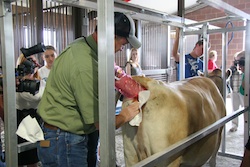

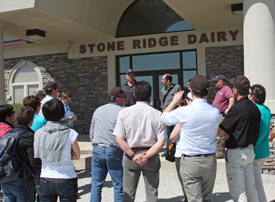 “We were approached by the tour leader about coordinating an exchange of ideas between the Terrena leadership and GROWMARK’s leadership,” said Chuck Spencer, GROWMARK director, Government Affairs. “Because our agricultural products compete in a global marketplace, we saw great value in having a discussion with our counterparts at Terrena to learn more about agricultural market conditions and ag supply and product infrastructure in the European Union, which will ultimately benefit our members.”
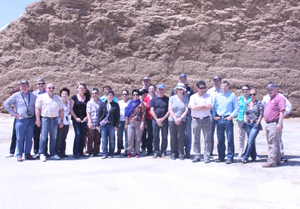 “One of the questions we were asked was our view of cooperatives here in the United States, and we certainly see a strong need and role for cooperative businesses, especially in agriculture,” said Rick Nelson, GROWMARK vice chairman of the board. “Terrena has the same view, and we definitely had a connection with them in recognizing the services cooperatives provide to farmers.”
 Another of our 2012
 This year, little Cam is big enough to start learning about farming and the season so far has been fabulous. As of last week, Steve says they were already half done with beans and the corn was coming up. “We got the corn sprayed so we’re sitting pretty good,” Steve said.
