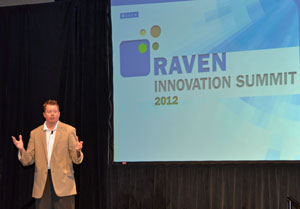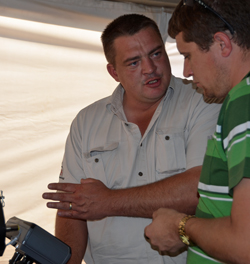
 During the Cattle Industry Summer Conference the results of the 2011 Beef Checkoff funded National Beef Quality Audio were released. It shows that progress has been made but that there is still room for improvement. To learn more about it I spoke with Tom Field, Director of the Engler Agribusiness Entrepreneurship Program at the University of Nebraska. He’s a fifth generation cattleman. He was also integrally involved in the start of the NBQA. Tom was on a panel that presented the results during a media conference call.
 Tom says the National Beef Quality Audit is meant to perform one main function, “In a multi-segmented semi fragmented industry to actually take the time and allocate the resources to stop, take our eyes up off the work we’re doing inside our individual sectors and actually ask questions up and down the supply chain with customers, vendors and suppliers – How are we doing as an industry?” Tom says there are a couple of key messages that came out of the audit. One was that each sector of the industry defines quality differently so there needs to be some consensus on that. Another item learned was that it’s not just a focus on a particular trait like marbling but also on the process since the marketplace is concerned about how animals are handled and processed. Additionally, he says that farmers are doing a lot of things really well but their biggest shortcoming was documenting it. He says that the overall quality of U.S. beef has improved.
Listen to my interview with Tom here: Interview with Tom Field
You can learn more about the 2011 results by visiting the NBQA website.