
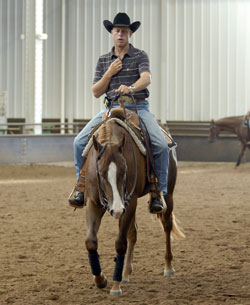
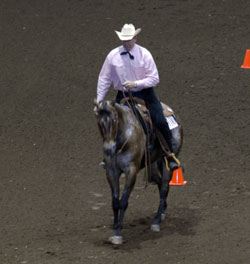
 I think I’m learning a whole new language here at the National Appaloosa Horse Show. For example, take pleasure horses. There are actually several different classes here in the show for pleasure horses. At first I thought it might have something to do with horses on which riding is a pleasure but no . . .
It has something to do with the horse being judged as opposed to the rider. In fact, the term goes back a ways and I’m not sure where it comes from. If you know please feel free to comment and fill us in.
Anyway, one of the many things you find here at the National Appaloosa Horse Show is a pleasure horse clinic. You can watch Tim Zuidema conduct his clinic. This little YouTube video is less than 5 minutes.
One thing is for sure. It’s a real pleasure to work out of the announcer’s booth here in the main ring arena in the air conditioning.
2007 National Appaloosa Horse Show Photo Album
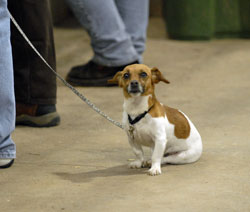 I’ve been joking that maybe we should call this the National Appaloosa Dog Show. There are dogs everywhere. All kinds of dogs. I’m a big dog lover and there are some beautiful animals here. For the most part they seem very well behaved.
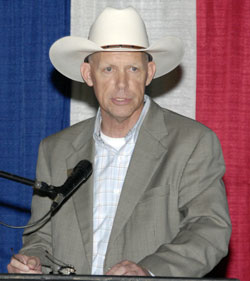 Do you remember this guy? Steve Taylor, now CEO of the
  If you want to be one of the first to see a very patriotic new music video by Michael Peterson then you need to go to
 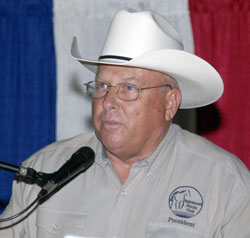 It’s time to leave the ring for today. But before I go here’s an interview with Dennis Dean from Apple Valley, CA. He’s currently president of the Appaloosa Horse Club. Dennis presided over the annual meeting of the association this afternoon at which members were provided an overview of organizational activities and plans.
 I’m here in Oklahoma City and the National Appaloosa Horse Show is in full swing on Independence Day. This is one big show that takes place over a couple weeks since it’s combined with the World Championship Appaloosa Youth Show. I’m just going to be spending a couple days here at the end.
 I don’t know about you but I think it’s time to relax and start celebrating our Independence Day.
 I’ll be doing my holiday grilling this evening since I’ll be in Oklahoma City tomorrow.