
File this under “Former intern does even better.”
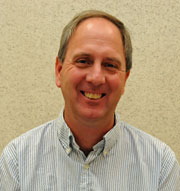
 Successful Farming magazine has promoted Curt Blades to national sales manager. In his new role, he will oversee and lead all advertising sales initiatives and research activities for the Successful Farming brands, including Agriculture.com and the Successful Farming Machinery Show. He was previously the sales and marketing manager with Successful Farming.
“Curt has a proven track record of providing exceptional customer service and helping bring creative solutions to our marketing partners,” said Scott Mortimer, publisher of Successful Farming. “I am very pleased to announce his promotion and look forward to him leading all advertising efforts at Successful Farming.” Blades will also continue to oversee the research efforts of Successful Farming, and the new database venture SFMiD.
“We will continue to be the most customer-oriented advertising sales and marketing team in agriculture,” said Blades. “I am thrilled to be given the opportunity to serve our customers and internal team in this new position.”
As Chuck mentioned in a previous post, Curt started off his career in the agribusiness world as an intern with us at Brownfield Network – many, many moons ago. But, while we keep getting older, he still looks like that fresh-faced college kid to me!

 Bryce Stremming is one of MID-CO’s Commodity Risk Consultants. “What MID-CO keys on is basis trading within the grain industry and as the market moves up and down, you have different opportunities with the basis on whether it is improving or not,” Bryce told Agwired during a recent interview.
 At a recent grower seminar in Chicago,
  This year marks the 38th anniversary of

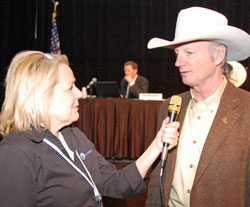 Bill Donald, a third generation, pony-tailed Montana rancher, was officially elected as president of the NCBA. Bill says putting the long range plan into motion is the organization’s first order of business this year. “We’re going to have an executive committee meeting in about three weeks and make sure our strategic plan is aligned with the long range plan and then we’re going to get to work and get that implemented,” he said. Like anything else, meeting the goals of the plan will require funding, and Bill says NCBA is prepared to meet that challenge. “We passed a resolution to increase total revenue, both checkoff and non-checkoff, to have $150 million annually. That’s about double from where it is right now.”
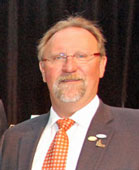 J.D. Alexander, cattle feeder/farmer from Nebraska, moved up from vice president to NCBA president-elect at the conclusion of the business meeting. J.D. says the cattle industry is in a good position right now as far as profitability is concerned. “We’re very optimistic and from the CattleFax information at the convention, our market is still on the right track and doing well,” he said, adding that NCBA’s top priority will continue to be looking out for producer interests on the national level.
 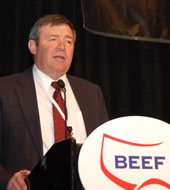 Scott George, a dairy and beef producer from Wyoming was elected as the new vice president for NCBA, switching over from
  They say that nothing is sure in life except death and taxes, so you should be prepared for a combination of both in the end.
  Another sure thing for agricultural producers in this day and age is environmental regulations and one of the latest is the Environmental Protection Agency’s (EPA) plan to implement the Chesapeake Bay Total Maximum Daily Load (TMDL) rule.
  The
The  Scott has switched hats now as he was elected to be vice president of NCBA. The new chairman of the Federation is David Dick, a cow-calf producer from Sedalia, Missouri.