 Let’s just say there are 8 pounds of water in 1 gallon. (It’s 8.34 but round numbers are easier.)
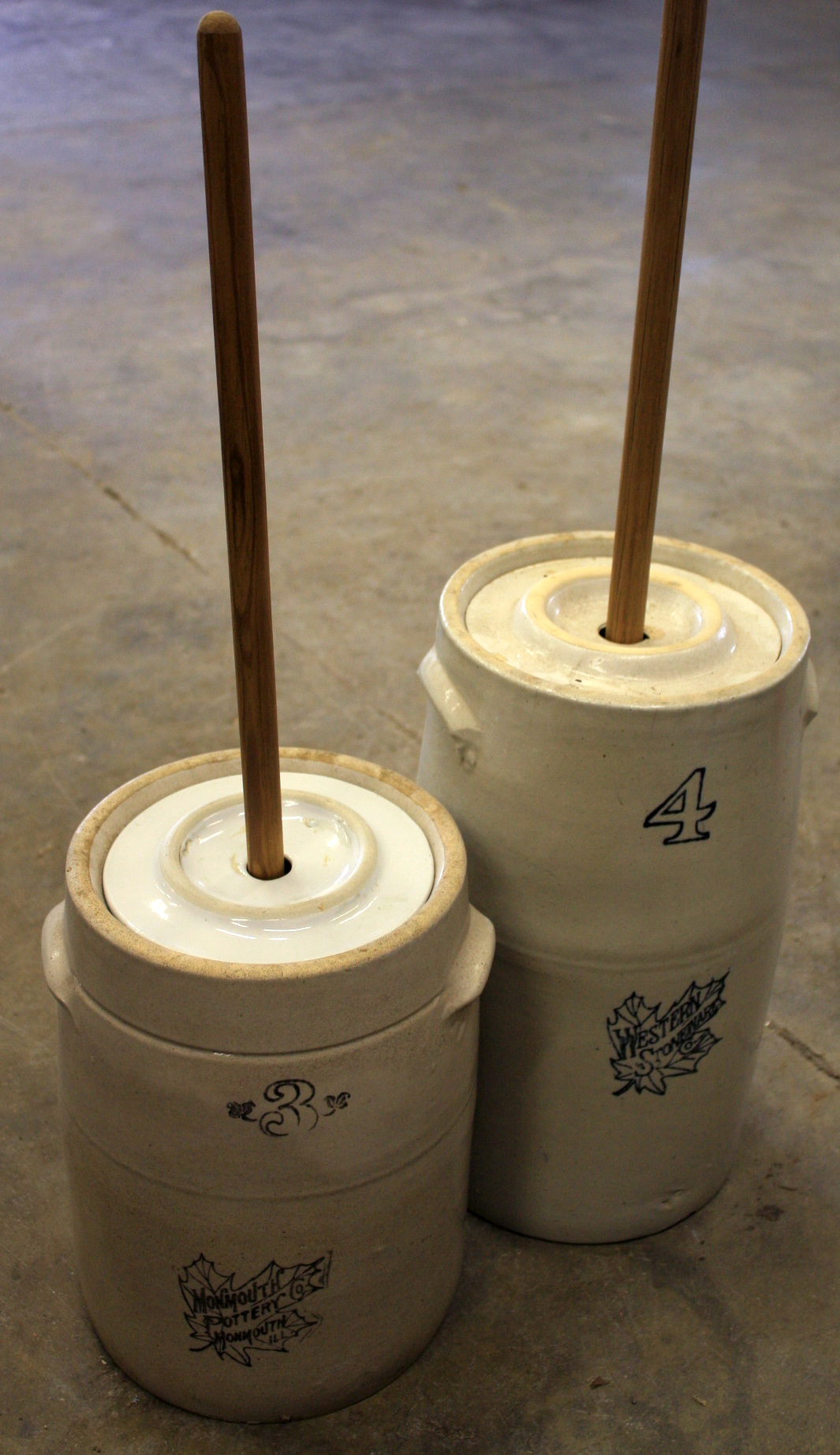
Let’s say this #3 butter churn is 3 gallons. That’s 24 pounds of butter, assuming butter and water weigh the same.
Let’s say this #4 butter churn is 4 gallons. That’s 128 sticks of butter. (1 pound of butter = 4 sticks)
Did I just do the math right? Mr. Smith, can you check my answer please?
Now tell me this – who doesn’t love butter? What isn’t better with butter? Take that one step further and where do we get the cream for that butter? Cows. That’s right folks, cows. Those brown-eyed beauties that some folks deem stinky and not for human consumption provide us all the good stuff we need to make butter. Aaahhhh, so now you’re saying a little stink is worth it for butter?
I hope I never hear my son “udder” the question, “where does that milk and cheese and butter come from” while in a grocery store. Although, daddy already taught him how to tell a bull from a cow, so I think I’m safe.
Until we walk again …
 In a strong statement at the start of the hearing, ranking member Senator Pat Roberts (R-KS) said that GIPSA proposal is in direct opposition to the intent of Congress under the 2008 Farm Bill.



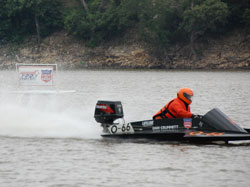 Whoever says that ethanol hurts marine engines has never seen boats running at more than 80 miles an hour on E-10.
 All of the boats that race in NBRA competitions around the country this year have to prove they are using 10 percent ethanol fuel in order to be eligible for additional prize money in the race. “We test all the fuel before the race and then the top three entries in any class are tested when they come in to make sure they are running ethanol,” said NBRA president Dan Crummett – yes, the same Dan Crummett who might be better known to the Agwired audience as Executive Editor for Farm Progress Companies.
 Would you be surprised to know that many food bloggers aren’t real familiar with where the food they write about comes from? Probably not. Most people today do not understand how food is produced and have no real connection to the farm regardless of what kind of food or farm you’re talking about.
 The focus of the partnership will target the development of products using Verenium enzymes for the global poultry, swine, beef, dairy, aquaculture and companion animals markets. “These new enzyme products will give us the ability to offer new solutions to the performance challenges our customers face,” said Novus International president and CEO Thad Simons.
 “We are extremely enthusiastic about our partnership with Novus, the potential opportunity it represents for the continued development of our pipeline and for Verenium to become a more active participant in the animal health and nutrition marketplace with our suite of high-performance enzyme products,” said James Levine, President and Chief Executive Officer at Verenium.