 It looks like the AgJobNetwork, started by Aggie-Lance founder, Mark Jewell, is off and running. Yes, there are companies still trying to figure out this “new media” thing.
Rooted in New Media – the AgJobNetwork has grown at an astounding rate from no registered users to more than 1,500 in North America in less than 30 days. And, word’s spreading online to their friends and colleagues, so the AgJobNetwork is still quickly growing. Today it’s serving a hungry job seeking audience that wants to hear about employment opportunities in a new way! And, ag recruiters are scrambling to learn how to tap this new online network to help them fill jobs.
How does it work?
“According to a new book, Groundswell, recent statistics show that more than 73% of Americans are online, and their use of new media is vastly increasing. Yet, very few companies have figured out how to serve them through social media,” says Lincoln, Nebraska-based AgJobNetwork founder Mark Jewell. “Based on the reception from job seekers weʼre on to something big. It’s working! But, we need to bring more agribusinesses into the 21st century using online technology to get their job openings out in front of those seeking jobs – AgJobNetwork provides that online gathering point, or community!”
Why does it work?
“Todayʼs job seeker needs to be served – they arenʼt necessarily going to come directly to you,” says Jewell. “You are going to find your best talent is already serving in a position they enjoy – or hasnʼt learned about your companyʼs opportunities yet.” That’s why Jewell founded the AgJobNetwork. “We can meet people in a place they already spend time – in new media sites like Facebook, MySpace, LinkedIn, the Blogosphere, and we can help them learn of new job opportunities even when theyʼre not looking,” adds Jewell, “Our goal is to be as disruptive as possible!”
 If you’re a media person needing some dairy information, especially photos, then Dairy Impact is where you need to go.
 This is why I like to have a camera with me at all times. You just never know when you’re going to see something you’d like to share.
 The
The 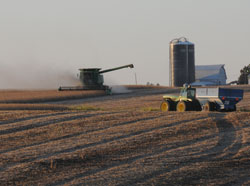 I kind of thought I’d see more of this on the way back to Missouri from Wisconsin but I saw very little harvesting going on even though the weather was beautiful.
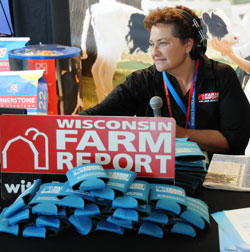 After a morning of interviews and photos I’m hitting the road back to ZimmComm World Headquarters.
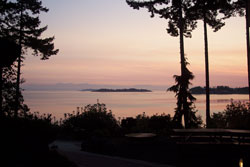 Seeing this picture sent in by Dan Danford,
 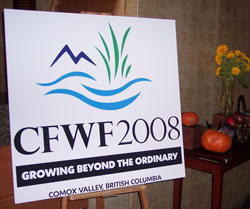 Last night we arrived up island at the
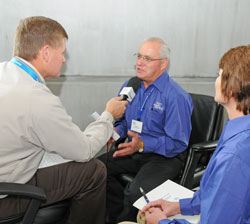 Yes, I know, it’s AgriTalk again. No nice studio or even comfy table here at World Dairy Expo.