
 As I prepare to graduate in May and begin my career as a freelance writer, I want to be sure I get started in this field on the right foot. What tools are journalists using, and how do they communicate with each other? Are you on LinkedIn? I have been invited by several people already, but I haven’t taken the plunge. I figure it’s just ONE more profile I would need to keep up, and my Facebook profile is already an outlet for people to find me online.
If you aren’t familiar with LinkedIn. This is a social networking tool aimed for professionals. Currently, over 35 million professionals login to share ideas, connect with colleagues and share their working profiles. The site boasts that with LinkedIn you can, stay informed about your contacts and industry, find the people and knowledge you need to achieve your goals and control your professional identity online.
If you are on LinkedIn, what do you like about it? If you aren’t, why have you never joined? What do you think about networking with professionals online? Is this the best way to share your resume or communicate with colleagues? Don’t be counted out; weigh in with your thoughts and ideas! Thanks for your input!
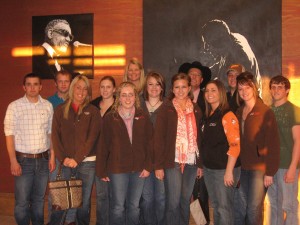 I took a 24 hour trip to Kansas City to give a speech to the
  Because environmentalists were constantly trying to derail Monsanto in the media, the company quickly realized that they needed to address some big issues in the news for themselves. The group uses Twitter to discuss controversial topics like food labeling and genetically modified foods. Like many agriculture groups, Monsanto has realized that this is the best outlet to interacting with the nation’s food consumers. I know a lot of people utilize Twitter to share basic information, (i.e. location, dinner plans, random thoughts…) but I’m quickly discovering it’s a great tool to share press releases, studies, great websites and even photos. Do you use Twitter, and how do you utilize it in your professional career? “Planting cyber seeds” proves that Twitter is a social networking tool worth considering…
 Virgil Smail has been named the Executive Director of the
  Another ag group shows a great use of a blog. This time it’s
  Clint Deitch has kicked off
 And another farm group blog has been born. This time it’s Iowa Farm Bureau with the
 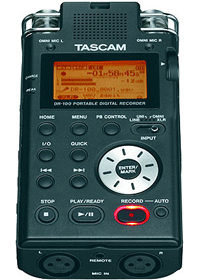 The farm podcaster who is all about quality may want to look into the