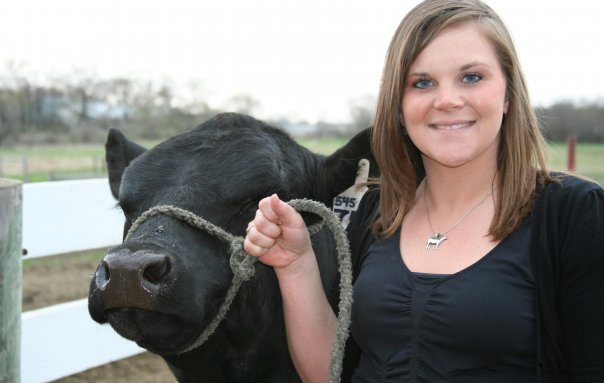
Today, I thought I would share some reflections from my role as a cattle producer, instead of an agriculture writer. Thanks for letting me stand on this soapbox so often…
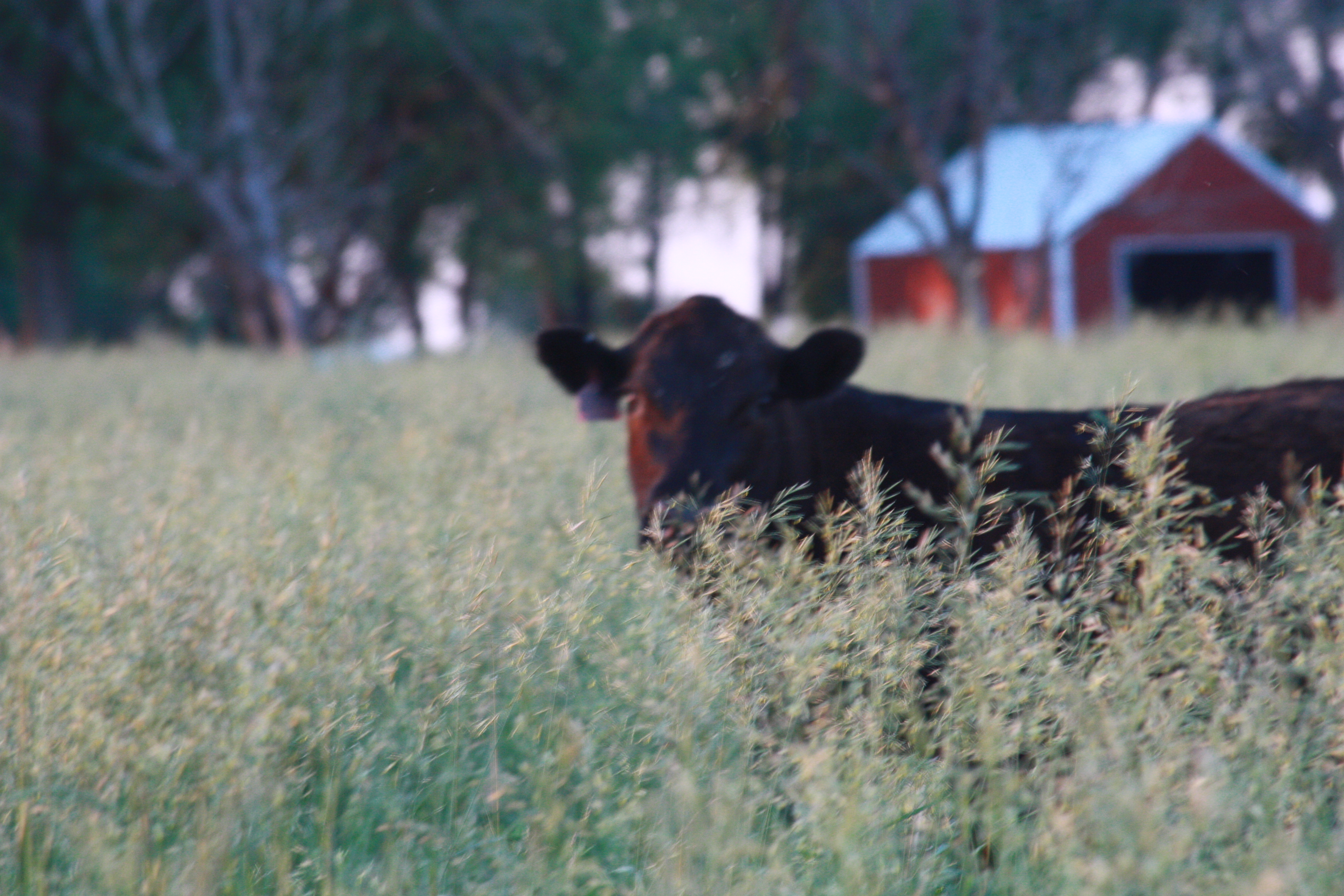 Nowadays, it seems the worries of a farmer and rancher are monumental. High input costs, ballot initiatives, strict regulations, bad media coverage, consumer misconceptions, animal rights activists’ agendas and low prices seem to plague the agriculture industry. Most depressing, it’s been said that for every consumer dollar spent in the grocery store, the farmer and rancher only receives 18 cents. Yet, true agriculturalists don’t let these negative things get to them. Nope, they endeavor to persevere.
Despite the challenges and obstacles, we have a lot to be thankful for in the agriculture industry. There is nothing better than having a career that provides nourishment for the world. For me, I live to watch my calves grow up, and it’s always a good feeling when we can fit the needs of our customers with our seedstock offerings. It’s amazing that the calves in my own pasture will someday move down the beef industry chain to backgrounders, feeders, processors, the grocery store and finally, to a dinner table around the world. The best part is knowing that the folks involved in every stop along the chain are great people that are dedicated to the same things as I am.
I’m thankful to be able to work alongside my family in a career that I love. I’m thankful to be able to work with my hands to help create something bigger than myself. I’m so blessed to be capable of the well being of so many animals, and I feel fortunate to live in America where food is abundant, healthy and safe. Today, set your worries aside and think about the things you are thankful for. You will quickly find that the list is much longer than your stresses and fears. God Bless the American farmer and rancher!



 I had the opportunity to spend a few minutes with Whitney, and she is a talented and well spoken woman who has already taken the ag communications industry by storm. For those companies looking for a rare talent, you’d better get in line now, because I suspect that Whitney will be off the market in a blink of an eye!
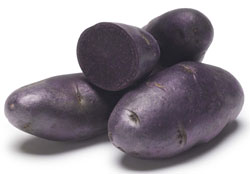 I would roast or fry these. Wouldn’t you? Purple freedom fries!
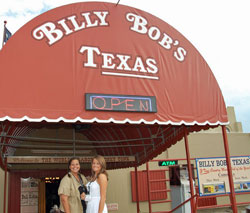 Thanks to Carly and Joanna, pictured here about to go into Billy Bob’s, our online photo album from this year’s IFAJ/AMS is very full. You’ll find almost 900 pictures in there. Please feel free to use them and if you need a high res version we’ll do our best to get one to you.
 Quasimojo played once again at this year’s event. I’m thinking we should be recording these for future release. What do you think?
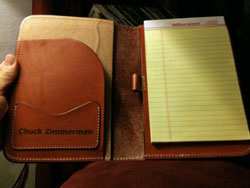
 All registrants to the IFAJ Congress 2009 received a great wild west souvenir to take home with them. These leather note pad holders were all printed with our names. I was registered although I did not get to attend.
 If you attended this year’s IFAJ Congress for your first time I’d love to know your thoughts on meeting with fellow ag journalists from other countries. Did you find it helpful? What did you get out of the relationships you made?
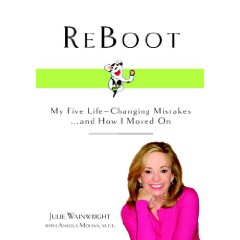 Now that everyone is home safe and sound from Ft. Worth, you’ll have a little time to read the new books by the IFAJ/AMS lunch speakers. Participants were first treated to a presentation by Julie Wainwright, who is the owner of
  While Wainwright’s presentation was fairly serious, on Tuesday we were thoroughly entertained by Scott McKain, who is the vice president of Obsidian Enterprises and the co-founder and principal of The Value Added Institute, a think tank that explores client loyalty. Speaking of which, how do you maintain client loyalty? Through being distinct. McKain has written exhaustively about this topic and is a best selling author.
 It’s birthday time for
  A phone made from corn? Apparently.