
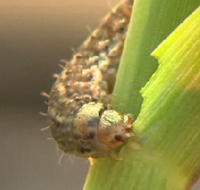
 Syngenta Seeds calls them “broad leps” – farmers call them expensive – most people would just call them icky.
They are a bunch of nasty wormy creatures – technically lepidopteran corn pests – that make up what Syngenta calls the “multi-pest complex” which costs growers over $1 billion each year in lost yield and grain quality. They include corn earworm, fall armyworm, Western bean cutworm, black cutworm, stalk borer and sugarcane borer.
 Agrisure Marketing Manager Tracy Mader says the pests are challenging because they affect all areas of the country and all growth stages of the plant. “The industry has done a very good job controlling corn borer root worm, but the next step is to control this group of broad lep pests, like black cutworm, that can attack the crop at the very early stages.”
That is what they are striving for with the Agrisure Viptera™ trait for corn, which is still awaiting all necessary regulatory approvals and authorizations before it can be marketed. “We’re working really hard,” Tracy said. “What we do have is deregulation from the EPA and the FDA and we are working hard with USDA to receive deregulation for Agrisure Viptera™ and they’re also working in all the key export countries as well.”
I interviewed Tracy about Agrisure Viptera™ during the recent grand opening of the Syngenta Seeds headquarters in Minnetonka, MN. Listen to or download that interview below. And if you want to find out more – and see a really creepy but impressive video – go to agrisuretraits.com.
Sponsored by 
 I’m only a little behind in saying
 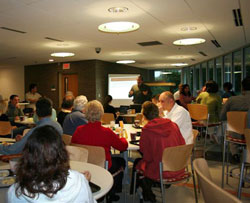 Employees were educated on nutritional quality and the benefits of eggs during egg related activities which were held throughout the day. “The complimentary meals were fantastic,” stated Sherri Armstrong, Regulatory, Novus International. “Learning that eggs are the highest quality of protein available really surprised me.”
 Natural Resources Conservation Service (NRCS) Chief Dave White announced this week that they received nearly 21,300 applications to participate in the CSP, covering more than 33 million acres nationwide.

 “Essentially the program is designed to reach out to our youth – elementary, high school, college-level students – our future leaders of tomorrow, to promote agricultural awareness,” Lance told me. “It’s not about products, it’s just about reaching out to the youth.”
 The United Sorghum Checkoff Program has
  The
The  It’s time for another