 Each October since 1964, cooperatives across the United States have been celebrating the cooperative difference, business model and the contributions of cooperatives to their communities, during National Cooperative Month.
One of the best examples of an agricultural cooperative that makes a difference is GROWMARK, based in Bloomington, Illinois, and chairman of the board Dan Kelley says cooperatives touch our lives in many ways.
 “Cooperatives have a long history going back to England in the mid-1800s when producers would get together to help market their products and that has resulted in the cooperative system here in the United States,” he said. “If you think of products like Welch’s grape juice, Florida’s Natural, SunMaid Raisins – those are cooperatives that have a national brand and market in some cases world wide.”
 Dan says cooperatives in general are important to not only the economy of the United States, but the entire global economy, which is why they are looking forward to being a part of the United Nations International Year of Cooperatives, which officially begins on October 31. “What we intend to do is participate with other cooperatives here in the United States through the National Council of Farmer Cooperatives,” Dan says, adding that they will be focused on telling the cooperative story to a broader audience.
Dan says cooperatives are especially important to developing countries and some GROWMARK board members and managers were able to go to Ghana earlier this year to offer some advice to producers there. “It was an eye-opening experience to see people who are getting by on a subsistence standard of living and with some minor improvements could really improve their lives,” he said.
Listen to my interview with Dan here: Dan Kelley Interview
 The
The  Many farmers rely on GPS for precision agriculture. This includes using GPS for accurate mapping of field boundaries, roads and irrigation systems; for precision planting; and for targeting the application of fertilizer and chemicals that combat weeds and crop diseases. GPS also allows farmers to work in their fields despite low-visibility conditions such as rain, dust, fog and darkness.
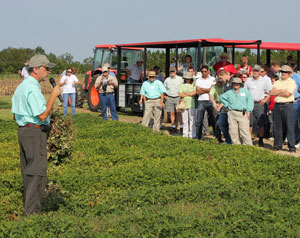 The event, held at the end of September in the Southwest area of Georgia, allowed many first time attendees to actually walk through a peanut field and see peanuts plowed up with a digger at harvest. The tour included stops in some of the top ten peanut producing counties in Georgia including Decatur, Seminole, Miller and Early counties.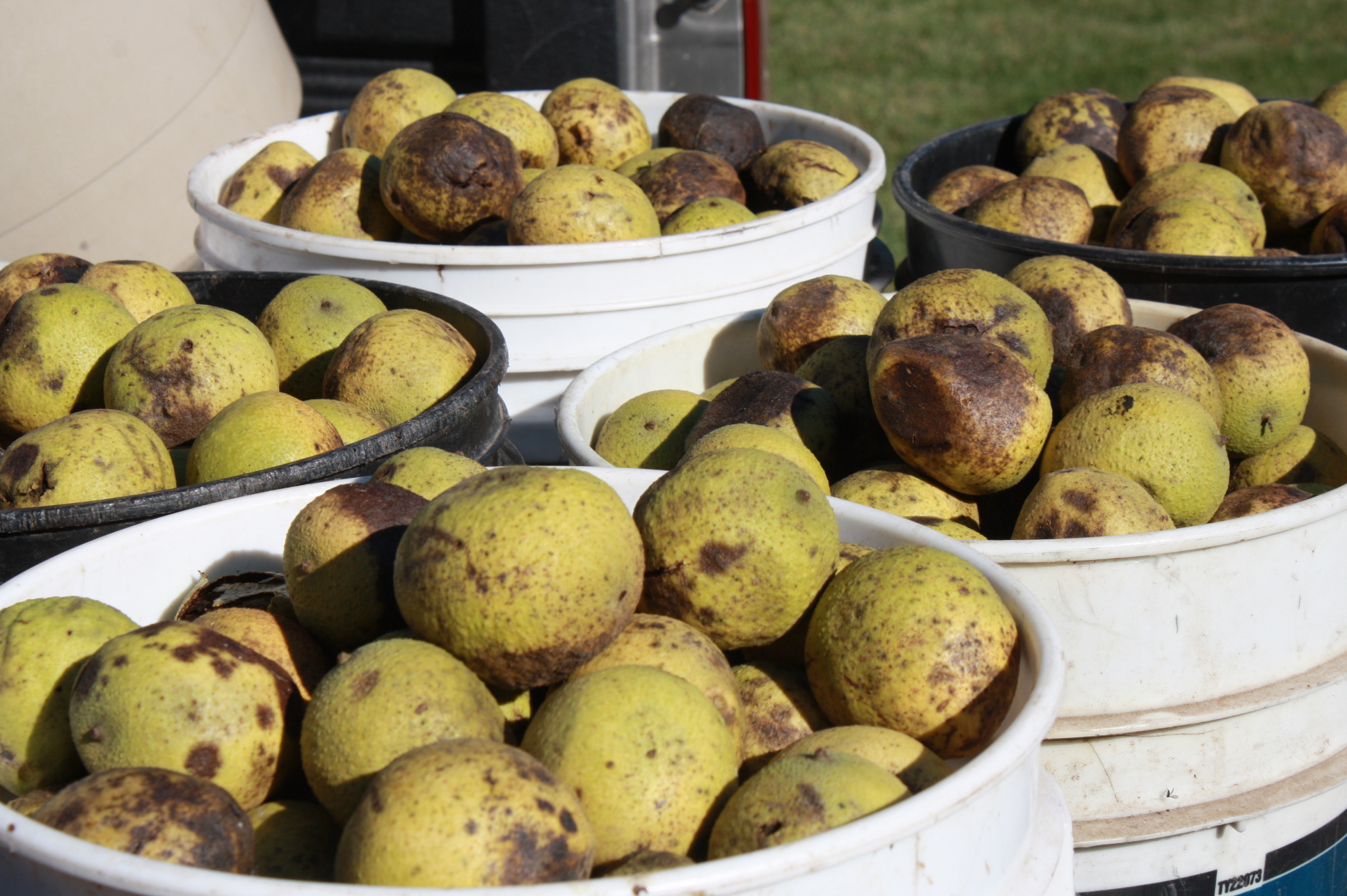
 The trade agreements with South Korea, Panama and Columbia were each voted on separately and passed in rapid succession Wednesday, first by the House and then by the Senate. The votes in the House were 278-151 for South Korea, 300-129 for Panama and 262-167 for Colombia. In the Senate, it was 83-15 for South Korea, 77-22 for Panama and 66-33 for Colombia. The president is expected to sign them.