
 An agricultural research facility in Florida fears the 10 percent reduction in ag research funding will close its doors… and abruptly abort research on a nameless, mixed breed of cattle. The St. Petersburg Times reports:
Indeed, few people have ever seen cattle like these. Unless you’re knowledgeable in bovine research, the cross-bred calves huddled in tall grass of the pastures near the U.S. Department of Agriculture’s Subtropical Agricultural Research Station at Chinsegut Hill may appear rather strange.
The animals are so new, in fact, that they don’t even have an official name yet.
Rather, research scientists at the facility refer to them simply as an F1 composite breed, a catch-all name that indicates they are the mixed offspring of several beef cattle breeds in this case American Angus and Brahma cattle, plus the South American Romosinuanos that are a product of more than a decade of genetic research.
While Coleman praised the calves’ aesthetic virtues, his hope is that they will someday lead to a tastier, more profitable breed of beef cattle.
Though that result is a long way off, Coleman fears it may never happen at all…
With the Bush Administration calling for a 10 percent cut in agricultural research in its proposed USDA budget for 2009, Coleman said this agricultural research station is one of three targeted for closing.
Read More
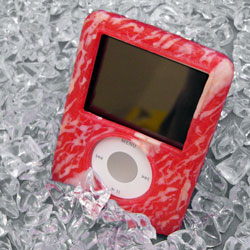 I don’t know about you but I like my steak on the grill and that wouldn’t be real good for my iPod. But if you know of some beef lovers with a Nano and want a unique gift then think of the
  The
The 
 Paul Schrimpf,
 Just text “agwired” to 46786

 Maybe I should start a “Blog of the Week” post or something. It’s getting hard to keep up with all of them but I’ll do my best to point you to them, especially good ones like this one newly created by Michele Payn-Knoper.
 It looks like companies and job seekers have a new resource in the agricultural industry with this announcement from