
 Cottonseed Oil is greasing up the highways during its ‘Comeback Tour.’ New uses for cottonseed oil are popping up across the U.S. and the National Cottonseed Products Association is making sure consumers can track where and how the oil is being used, even if they can’t make a cross-country trek. Cottonseedoiltour.com takes visitors zigzagging across a web-browser sized U.S. to learn about the latest success stories of cottonseed oil. Paul Fraser, proprietor and chief operator of Cork’s Old-Fashioned Donuts in Albany, Oregon says cottonseed oil is the special ingredient in his healthier and better tasting donuts. The site traces the history of “America’s first vegetable oil.”
Barry Corbin Talks About Trail End
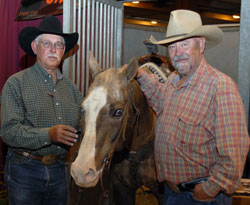 You never know who you’re going to run into when you’re out doing some agriblogging. For example, I got to sit down with actor Barry Corbin yesterday at the World Championship Appaloosa Show. He recently completed an award winning short film titled, “Trail End.” The movie stars a great Appaloosa horse. On the left is Tony Nix, owner of the horse in the middle, Chippen Gold (“Chip”). On the right is Barry Corbin. Barry’s starred or guest-starred in too many movies and tv series to list.
I spoke to both of them after yesterday’s screening of the movie here at the World Show. Barry says the horse was the star and he only played a supporting role. He says about Chip, “He supported me but I supported him. It was kind of like a partnership.” In my interview you’ll hear Barry describe the movie and talk about his other experiences in the acting world. I asked him for some behind the scenes stories from making Trail End but all he could really say is that he had a good time and that it was, “Like a week and a couple days of a trail ride.”
You can listen to my interview with Barry here: awcs-07-corbin.mp3
When I spoke to Tony he says that he got involved after someone at the ApHC made a connection to him when the movie company called seeking a horse in Kansas. He says that Chip was great and showed that an Appaloosa (even an 18 yr. old one) can star in a movie. He also thinks it might be pretty cool if someone would need him to star in a movie too.
You can listen to my interview with Tony here: awcs-07-nix.mp3
World Championship Appaloosa Sale
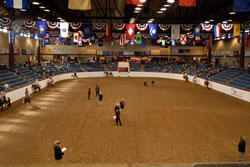 It’s been an interesting afternoon here at the 2007 World Championship Appaloosa Show. As you can see one of the rings is busy. They’re just about to wrap up the last show in time for tonight’s World Show Sale.
I spoke with Appaloosa Horse Club board member Chuck McWhirter about the sale since he’s one of the main organizers. He says that they’ve got some great horses lined up and now all they need is some buyers. That would be nice if you want a successful sale.
It is Halloween and the good thing is that I’ve found candy everywhere so I’ve got my chocolate fix.
You can listen to my interview with Chuck here: awcs-07-mcwhirter.mp3
Successful Farming Launches Farm Machinery Show
 Farmers and ranchers can tune into a brand new show that’s devoted solely to farm machinery beginning tomorrow. Successful Farming is launching it’s Farm Machinery Show on both RFD-TV and high-definition RFD-HD.
Premiering November 1, 2007, The Successful Farming Machinery Show the Successful Farming® Machinery Show will deliver all the best-read favorites from the magazine, and for the first time ever brings together these favorites in a full length television program. The show features will include: new product reviews with Successful Farming magazine’s new products editor – Laurie Potter, highlights from farmer submitted ideas in All Around the Farm®, winning shop designs and features from Top Shops®, industry leading coverage from The Ultimate ATV/UV Test, machinery auction news with Greg “Machinery Pete” Peterson and stories from Roger Welsch, the Tractor Whisperer.
New programs will air weekly – starting Thursdays at 7:30pm Central on RFD-TV. Hosted by Successful Farming machinery editor, Dave Mowitz – the show will air four times a week for 18 weeks on RFD-TV and on RFD-HD. These informative programs airing each week will provide farmers with all the information they need to know about machinery to make their farm or ranch more successful. The show is sponsored in part by John Deere and Firestone Farm Tires.
Bush Nominates Ag Secretary
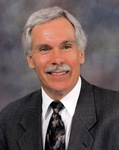 President Bush made a surprise nomination for Secretary of Agriculture Wednesday afternoon – a little-known former governor from North Dakota, Ed Schafer.
In making the announcement, Bush said, “Ed Schafer is the right choice to fill this post. He was a leader on agricultural issues during his eight years as the governor of North Dakota. He worked to open new markets for North Dakota farmers and ranchers by expanding trade with China. He oversaw the development of the state’s agricultural biofuels industry. He helped families recover from natural disasters — including drought, fires and floods. And he pioneered innovative programs to increase economic opportunity in rural communities.”
There had been little speculation about who Bush might nominate to serve out the remaining months as agriculture secretary in his administration since many believed Acting Secretary Chuck Conner would get the job considering the importance of the current farm bill negotiations.
Getting Creative with Corn
 The first-ever Morningstar Farms Veggie Creations Contest is being touted as a success. The contest urged vegetable enthusiasts to showcase their creative veggie creations.
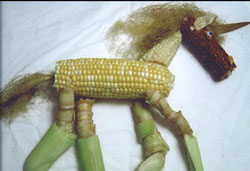
Melissa Pantel-Ku of Chagrin Falls, Ohio created the winning photo/video entry entitled, “The Unicorn: An a-MAIZE-ing beast.” Selected by veggie sculptor and founder of Veggy Art, James Parker, Melissa has won a trip for two to Bunol, Spain for La Tomatina Festival. This festival boasts the world’s largest tomato fight, which takes place during a week-long celebration of art and culture.
 Renowned vegetarian chef and produce expert, Curtis Aikens, selected “Island Fresh Tostadas with Pineapple-Avocado Salsa” as the contest’s winning recipe. Its creator, Karen Gulkin of Simpsonville, S.C. will now have the opportunity to sharpen her veggie creativity skills with a class in veggie sculpting. As the winner of the recipe portion of the Veggie Creations Contest, Karen has earned a trip for two to Virginia for a hands-on veggie- sculpting class from James Parker.
The Veggie Creations Contest received over 100 submissions between the photo/video and recipe categories. Judge James Parker was especially impressed by The Unicorn: An A-MAIZE-ing Beast because its creator was able to take a single vegetable, corn on the cob, and see it from so many different perspectives. The subject of the winning photo was fashioned completely from corn on the cob, using fresh and dried kernels, a dried cob, the husks, the stems and the corn silk, as well as a piece of baby corn for the horn.
World-Class Chef Promotes Eco-friendly Food
 Energy and fuels aren’t the only commodities America is becoming more environmentally conscious about. World-class chef and restaurateur Mario Batali is encouraging consumers to become eco-friendly with their food. Mario is working with the Earthlab Foundation in a campaign to promote environmentally friendly food options. The online segment at Earthlab.com features tips and insight into to making better food related choices for the environment, such as choosing locally grown products and fresh produce. The site also offers information about cooking and Italian cuisine.
Batali is continuing his green journey by joining the EarthLab community and creating his personal Earth Conservation Plan (ECP), which he can save and track over time to help lessen his impact on the earth. His ECP score is 269 and he outputs 9.1 tons of carbon per year, compared to the national averages of 349 ECP and 15 carbon tons.
Batali pledges to reduce his impact by 10 percent by the end of 2008 and he encourages others to calculate their score with EarthLab.
“EarthLab shares my passion and motivation for the environment and I am looking forward to working closely with the EarthLab Foundation and community to share my experiences and expertise, while also reducing my own impact,” said Batali. “I have been implementing earth-friendly changes in my restaurants, such as not using bottled water, but there is still a long way to go. Eating is something that we all do every day and there are small choices about what we eat, how we shop for food and cook that can help the environment.”
The Food & Mario Batali section of the website provides new resources such as recipe and wine selection, Mario’s favorite links, a featured region in Italy and more.
Horsey Halloween
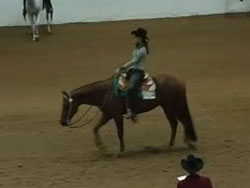 I will not be in costume. I’ll be working at the World Championship Appaloosa Show in Ft. Worth, TX. Besides being able to read all about it on the Appaloosa Blog Spot I’ll have posts here on AgWired as well.
In case you’re interested you can also watch arena action via the Appaloosa Live Web Cam. This picture is taken from the one in John Justin Arena this evening.
In the meantime, Appaloosa Horse Club CEO, Steve Taylor is showing his blogging skills on Appaloosa Blog Spot at the show. Check out what a CEO can do if he wants to. He should provide you with some inspiration. I know there’s some CEO’s reading this. I’ll be giving him a break though for the couple days he’s bringing me in to help out.
Preview of the NAFB Convention
 In this week’s ZimmCast Cindy interviews Randy Koenen, Red River Farm Network, who is President-Elect of the National Association of Farm Broadcasting. Randy’s big job this year is being the main coordinator for the NAFB convention. So if you want to know what to expect in Kansas City then give the show a listen.
 The program concludes this week with music from the Podsafe Music Network. This week’s song is “Dancing in November” by the Monika Herzig. We’re moving into November and if you’ve attended an NAFB convention then you know there is opportunity for a little dancing.
You can download and listen to the ZimmCast here:  ZimmCast 143 (15 min MP3)
Or listen to this week’s ZimmCast right now:zimmcast143-10-30-07.mp3
The ZimmCast is the official weekly podcast of AgWired which you can subscribe to using the link in our sidebar. You can also subscribe in iTunes
‘Tis the Season for Cranberries
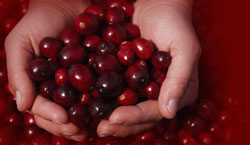 Fall is well underway and winter is fast approaching. Although various regions of the country seem to be staving off Old Man Frost for the most part, the Cranberry Marketing Committee doesn’t want you to forget about their favorite fruit of the season, and adds the fruit is available year-long.
Cranberries grow on low-lying vines in watertight beds layered with sand, peat, gravel and clay. These beds, commonly known as bogs or marshes, were originally created by glacial deposits. Commercial bogs/marshes use a system of wetlands, uplands, ditches, flumes, ponds and other water bodies to provide a natural habitat for the cranberry vines.
The cranberry season begins in winter, when growers flood the bogs/marshes with water that freezes and insulates the vines from frost. During spring, the bogs/marshes are drained, blossoms begin to appear, and through the summer, the cranberries become red, ripe and ready to gather. Cranberries are typically harvested in September and October.
Not only are cranberries extremely tasty and versatile in culinary applications, they’re also a mighty healthy fruit with the unique power to fight bacteria. What’s more, cranberries have been shown to have more antioxidant phenols than 19 commonly eaten fruits. These antioxidants can help aid a healthy immune system, maintain heart health, protect healthy cells from damage, and promote successful aging.
Read More