
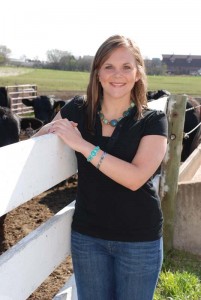
 If you’re in or around Illinois on June 25-26, I would love to meet you. Tomorrow, I’m hopping on a plane to head to the Illinois Beef Association Summer Conference to present my workshop, “Table Truths in a New York Minute.” My workshop dives into the tips and tricks for utilizing online tools and social networks to tell the agriculture story. I know what you’re thinking, “Who has the time?” My workshop teaches how to fit in agriculture advocacy in, you guessed it, “a New York minute.”
The event will be held in Collinsvilles at the Double Tree Inn this Thursday and Friday. The theme this year is “Reclaiming our Legacy,” and I’m joined by several dynamic speakers including radio personality, Trent Loos, Masters of Beef Advocacy trainer, Daren Williams, and world economic policy analyst, Ross Korves. There will be a tour of Land O’Lakes Purina Animal Nutrition Center, as well as a trip to the ballpark to watch the Gateway Grizzlies play. I hope to see you there! Stay tuned to AgWired for more details as the event progresses.
And, if you’re in need of a speaker for your next event, let me know. I have several workshops and speech topics to choose from. Shoot me an email at beefnews@hotmail.com, and we can talk about your event goals and needs. -Amanda
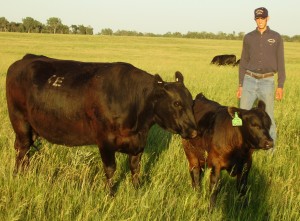 Lee Kopriva always knew he wanted to be a cattle rancher. From a young age, he played an active role in his family’s cattle operation, Kopriva Angus. After graduating from South Dakota State University (SDSU) this May, Kopriva is now following his dream of raising quality seedstock for producers, and he is one of the few students in his graduating class to be able to pursue that route. Kopriva was a fellow classmate of mine, who graduated from SDSU with a degree in Animal Science. I spoke with him for a few minutes about his future in beef cattle production, and here is what he had to say…
 You’ve heard of C-SPAN. Now there’s
  Like many, when I look for information I go online first. With so much information out there, I often wonder if it is accurate. According to a new study conducted by
  The deal has made some farm groups more comfortable with the sweeping legislation, but not the
 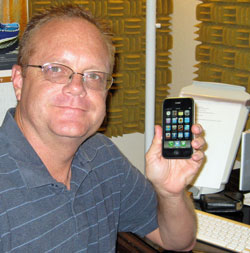 The S stands for speed and starting today we’re going to find out how much better the AgriBlogger phone of choice works. That’s because my new
  I enjoyed another great

 If you’re interested in learning something about pitching stories to bloggers you might want to participate in a today’s webinar that’s part of the