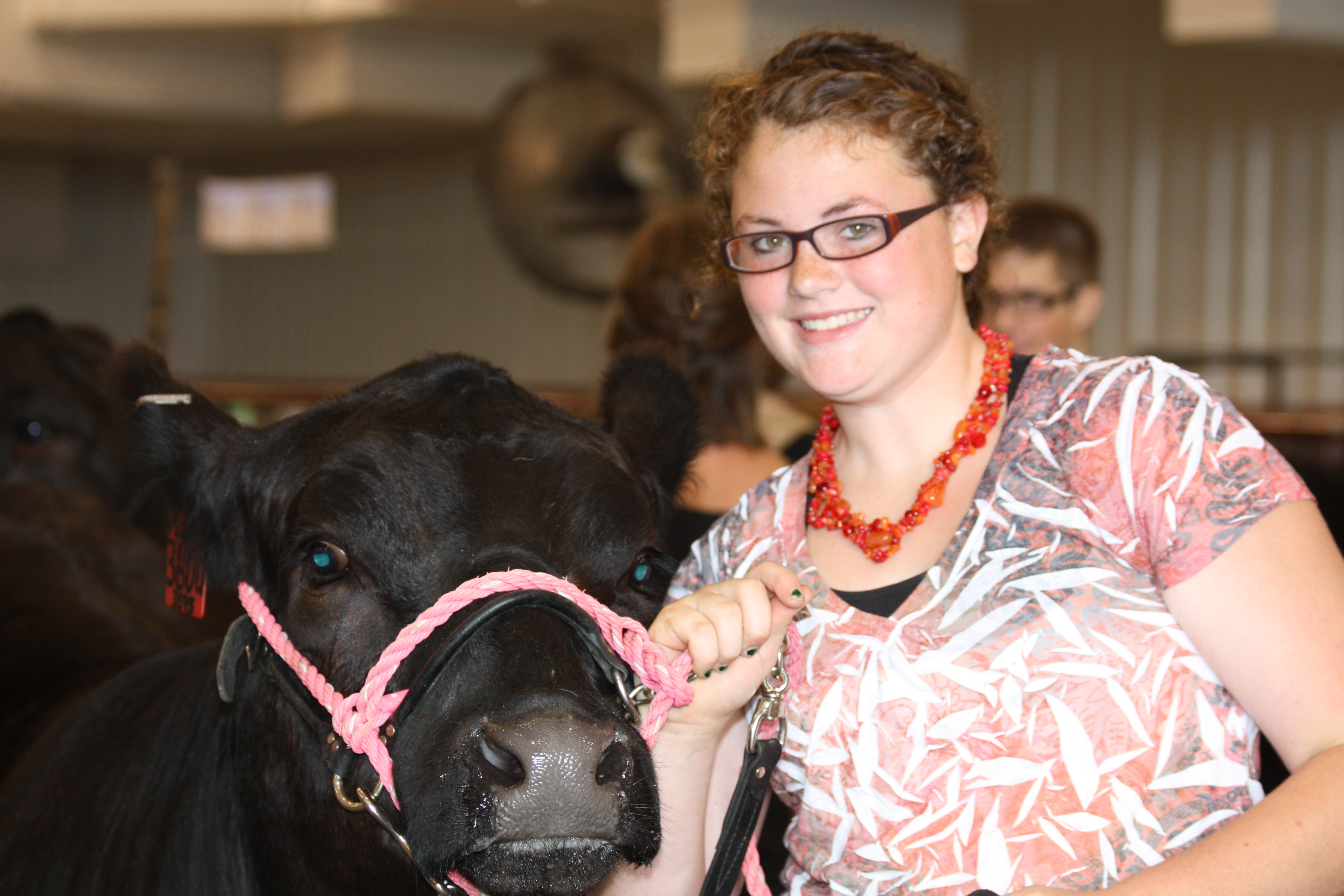
 If you weren’t able to participate in last night’s AgChat session via Twitter then you missed a good one. The topic was going to be bioenergy but that got moved to next week in favor of a focus on how agriculture is portrayed in the mainstream media in light of a recent article in Time Magazine and an opinion piece in the N. Y. Times. As always, you can follow back through the conversation via Twitter Search.
It was obvious pretty quickly that this topic and the questions hit a nerve with people and tweets were being posted fast and furious. For the most part it was a very polite, professional and courteous conversation. However, we did have a couple of anti-ag contributors who obviously have no real experience with ag and were involved in an attempt to disrupt things. My advice is to ignore people like that on Twitter or any social networking mechanism. It’s one thing to disagree on an issue but it’s another to when someone becomes antagonistic, insulting and unwilling to participate on the same basis as everyone else. But that’s also part of what makes these networks great. We have the freedom and ability to interact directly with people and I believe that leads to better understanding without the need to depend on mainstream media journalists who have their own agenda.
Here’s the list of questions we dealt with:
Q1 via @narthur Is mainstream media sensationalizing (e.g. Jerry Springer) to combat traditional media malaise? What do we do?
Q2 via @akleinschmidt If the journalists were here tonight, what would you like them to know about your #farm or part of #ag?
Q3 via @TruffleMedia Is #ag calling kettle black? Hard ?, but tactics used in recent articles have likely been used by modern ag.
Q4 via @TruffleMedia What are the outcomes we want to accomplish by a rebuttal to current media stories?
Q5 Via @NEFarmBureau Would there be interest in a clearinghouse to report agenda-driven media contacts (those who seem suspicous)?
Q6 via @farmerscotty Why does the media portray us in #ag as stuck in 1950’s-era through photos & references to good ole days?
Q7 via @akleinschmidt Inference is big, modern, efficient=bad, unsafe, ‘souless’. Where/when did we lose connection-How to repair?
Q8: What’s the one executable idea you’ve picked up from #agchat tonight?
I know many of you will be attending the Farm Progress Show next week. Please attend our tweetup on Tuesday, Sept. 1 at 3-5 pm at the @hellocountry tent. Please remember to use the #FPS09 hashtag in your tweets while you’re in Decatur, Il! See you there.
Thanks again to Michele Payn-Knoper for moderating. Also feel free to check out AgChat on Facebook.

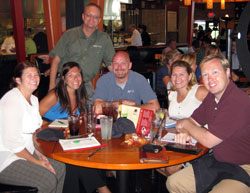 The Gateway NAMA board met yesterday for some program/membership planning. I’m waiting on a summary of what we accomplished to help with member communications. I can tell you that we’ve been pretty inactive but with some fresh talent in leadership hopefully we’ll change that around this coming year. We’re looking at a mix of fun and educational sessions that will be of interest to all members.
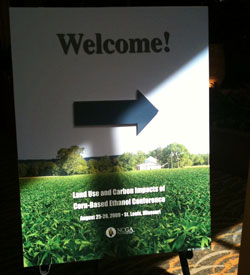 Do you understand things like indirect land use when it comes to regulations via departments like the EPA due to the RFS? Me either. And I’ve sat in on conferences and discussions and interviews on the subject for a while now. That’s because an issue like indirect land use involves predicting the future based on certain assumptions that may or may not be valid, especially if they’re based on out of date data and information. So that’s part of what the NCGA is dealing with at their
 The NCGA Land Use and Carbon Impacts of Corn-Based Ethanol Conference is underway here at the Renaissance hotel by the St. Louis airport. This is our first panel discussion on “Emission Factors and Land Use Change Modeling” which is being moderated by Geoff Cooper, Renewable Fuels Association. We’re talking some very involved talks on things like Lifecycle Greenhouse Gas Analysis, Measuring Indirect Land Use from Biofuels, Analysis of the RFS and more.
 Registration is open for this fall’s NAMA
  Hey farm podcasters. You know there are a lot of equipment options to record audio out there and I’ve mentioned that the iPhone is a really good one. Now there’s an app for the iPhone that provides a way to record a call, trim the ends and email it.