
Another presenter on the “How Marketers are Building New Community Ties” panel was Joel Jaeger. He is president of the mobile technology provider Commodity Update. He sees significant potential in the mobile market for agriculture, but emphasizes that it should be an element in the blend of social media.
In addition to Commodity Update, Jaeger is also a partner in his family’s farming operations in Colorado and Belize.
This is part of the Paulsen Marketing video interview series. They are also the sponsor of the NAMA Blog.
Combined NAMA Trends In Ag/NAFB Convention Photo Album
AgWired coverage of the NAMA Trends In Agriculture Conference is sponsored by Paulsen Marketing.
 This week’s NAMA Trends In Agriculture conference provided a great program opportunity for this week’s ZimmCast. You’ll get to hear from the morning panel on day two. I interviewed each of them and have included them in the program. The session focused on how agrimarketers are building new community ties.
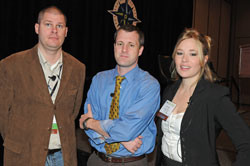 3G-enabled smart phones, the “Tweeting Farmer,” and unusual partnerships are all part of the new ag community. This general session will feature practical case studies from marketers inside and outside of agriculture that have forged new links with their customers using new media and non-traditional collaboration. Joe Grigsby, VML, Leslie Bradshaw, a farm kid and University of Chicago educated Communications Manager with New Media Strategies in Washington, D.C., and Joel Jaeger, Commodity Update shared their experiences.
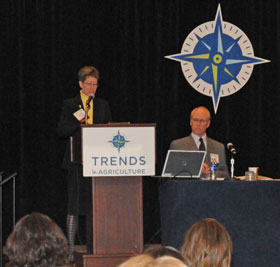 It’s one thing to say there’s a new ag community. It’s another thing to live in it as a farmer. At the NAMA Trends in Agriculture conference a panel of producers addressed this subject. The panel included a row crop farmer from Texas, a dairy producer from Wisconsin and the California Association of Winegrape Growers.
 We saw some of that progress being made in the state last week on our
  Welcome new AgWired sponsor,
  Thanks to John Walter,