
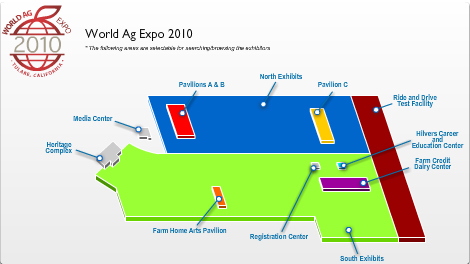
 Exhibitors and attendees can now make the most of their time at World Ag Expo using the Digital Show Grounds feature at WorldAgExpo.com.
The Digital Show Grounds feature allows those planning to attend World Ag Expo to view a high-resolution map of the show grounds and map out their experience minute-by-minute with seminars, tours and stops at exhibits that apply directly to their industry.
The 43rd annual World Ag Expo 2010, powering global agriculture, will run Feb. 9–11 at the International Agri-Center show grounds in Tulare, Calif. An estimated 100,000 visitors from 67 countries are expected to attend World Ag Expo this year. The expo is the largest annual agricultural show of its kind with 1,600 exhibitors displaying cutting-edge agricultural technology and equipment on 2.6 million square feet of show grounds.
Online attendee registration is now available at WorldAgExpo.com. Those who register online through Feb. 1 will save time at the gate, $2 off daily admission, and automatically be entered to win a Yamaha Rhino and other registration prizes.
 Monsanto and the American Farm Bureau Federation will host two “tweetups” for Twitter users in the Monsanto booth during the AFBF annual meeting which starts Sunday in Seattle.
  The Tweetups will be held at the Exhibitor Showcase in the Monsanto Booth #210. First one is Sunday at 3 pm, then they will do it again on Monday at 8 am. Come learn about the usefulness of Twitter and network with some of the agricultural leaders advocating for the industry online. Non-Twitter users are also encouraged to come and find out what it’s all about!
  It looks like AgWired sponsor,
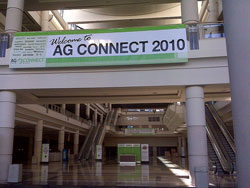 AG CONNECT is in action as setup has been underway for a couple days now in Orlando, FL. You can see photos in the official
 Next week we’re going to have an “A” class tweetup. It’s an AGCO/AEM/AgChat Tweetup at
 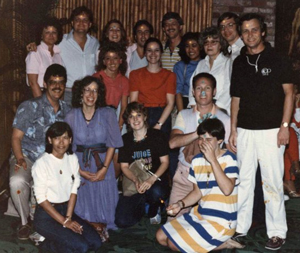 One of my most memorable AFBF conventions was 1985 in Hawaii, when this group photo was taken. You might recognize a few of the folks in the picture. It was lots of fun, but also lots of work. I remember it as the first “multi-media” event coverage I ever did. Chuck was doing video for AFBF and I was the only one covering the event for Florida. I filed radio reports, did press releases, shot and edited a TV story, took slides and wrote stories for the magazine.
  Gary Truitt with Hoosier Ag Today recently published an article titled,