 For more than a month now, four kinds of tomatoes and four kinds of peppers in 20 labeled “ready-to-plant” potters have been sitting on our kitchen table and now in the garage. I’m waiting. Earlier this month we had two weeks of 85-degree days but then Monday morning of this week we had frost again.
And I don’t have enough empty milk jugs and wall-o-waters to cover all the plants. I believe the Farmer’s Almanac says to wait to plant May 1 this year and I think that’s a pretty reliable source.
Last year was my first attempt at a “real” home garden, with help and suggestions from my grandma. We put it in the wrong place – it didn’t get enough sun and when we went through a rainy spell, it was underwater. I didn’t thin my head lettuce. Or my onions. I’m calling it a practice year.
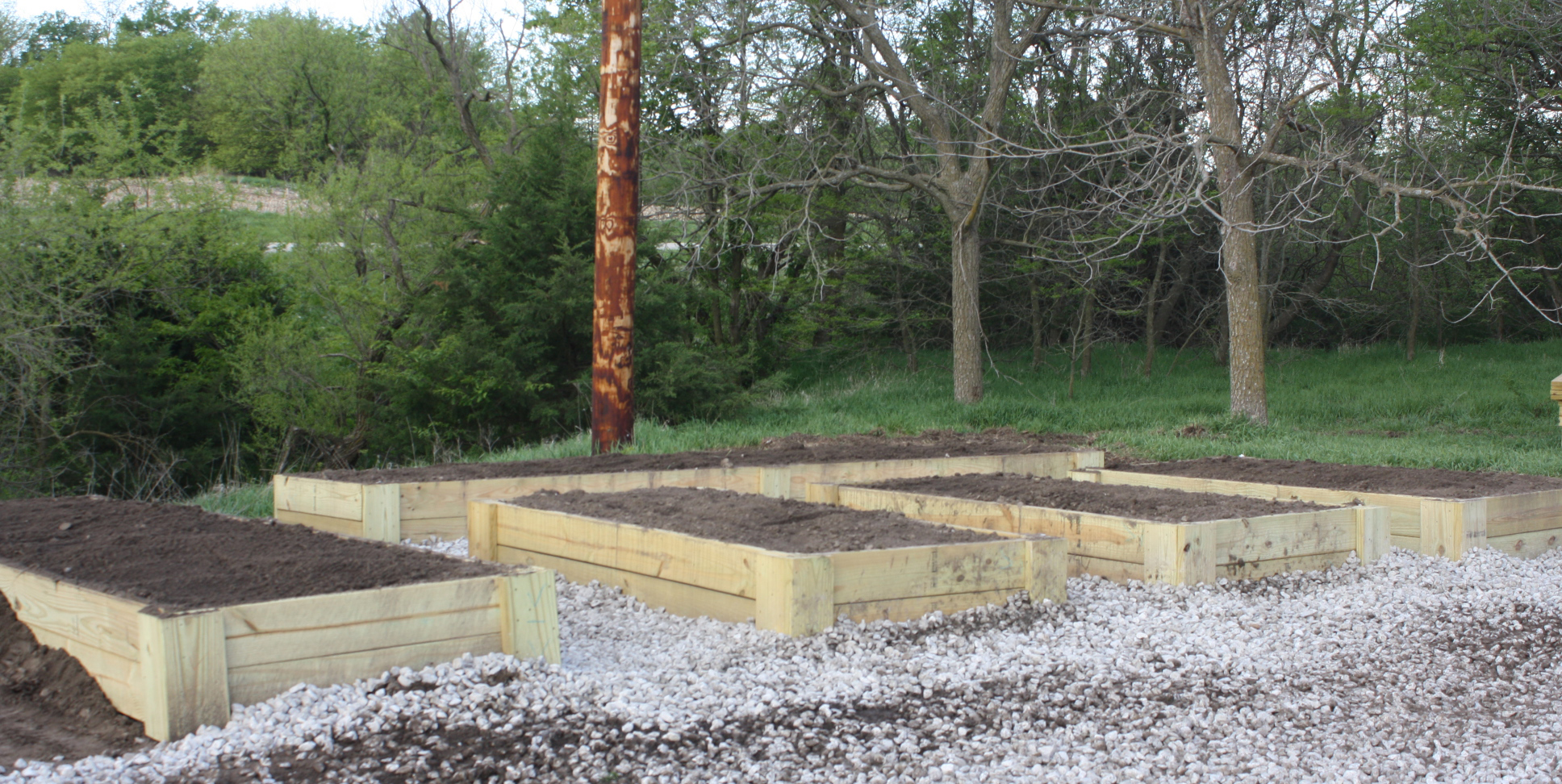
This year, my husband (because he’s handy with EVERYTHING) built me these five raised bed planters. Aren’t they great? And, we still have one black kitty to keep the rabbits away and fertilize.
I’m hoping for a better crop this year…happy planting to all who are doing a home garden!
Until we walk again …
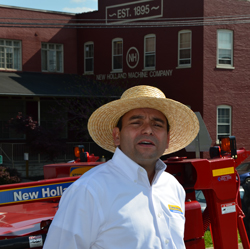 Not that they ever left the game, they’ve just been flying a bit under the radar for awhile and now New Holland North American VP Abe Hughes says they really want to get out and show they industry what they’ve got. “We’ve been so successful at our turnaround and our rejuvenation these last two years that we thought it was high time that we invite the media over to hear our story and give you a little insight as to our future,” Abe said.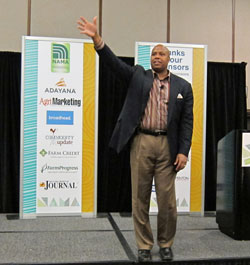



 “The carcass of the animal is being held under State authority at a rendering facility in California and will be destroyed. It was never presented for slaughter for human consumption, so at no time presented a risk to the food supply or human health. Additionally, milk does not transmit BSE,” said USDA Chief Veterinary Officer John Clifford. “Samples from the animal in question were tested at USDA’s National Veterinary Services Laboratories in Ames, Iowa. Confirmatory results using immunohistochemistry and western blot tests confirmed the animal was positive for atypical BSE, a very rare form of the disease not generally associated with an animal consuming infected feed.”
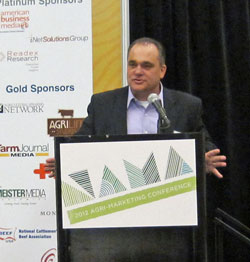
 In this week’s program you’re going to hear why the Agri-Marketing Conference is such an important program to have on your schedule each year.