
The inaugural AG CONNECT Expo is “in the books.” It was a good one too. I believe the show was very professionally done and everything went smooth. Attendees and exhibitors have echoed those comments when I’ve spoken with them.
To wrap things up I spoke to Charlie O’Brien, VP Ag Services for the Association of Equipment Manufacturers. He says that they’re extremely pleased with the show. Attendance neared a total of 8,000. He says that the show committees have all met and the common theme among them was “quality, quality, quality.” Meaning that they have all been impressed with the quality of the booths, the sessions and the people on hand to answer questions. Looking forward they would like to broaden the scope of the show with more exhibitors. They’ve already got a large portion of next year’s floor space sold. He also heard from exhibitors that they were grateful for the integration of educational sessions into the show.
Next year’s show will be in Atlanta, GA January 7-10 so make your plans now. You can watch my interview with Charlie or listen to and download it below:
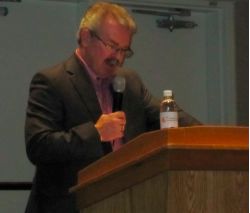 Canadian Minister of Agriculture, Gerry Ritz
 The exhibitors at AG CONNECT Expo really invested a lot in their presentations and none more than Case IH in my opinion. I watched a couple of their floor shows and thought you might enjoy a look at one of them.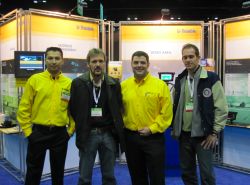
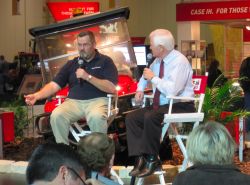 If you’re in agriculture, then you know Al Pell, the host of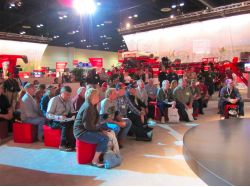

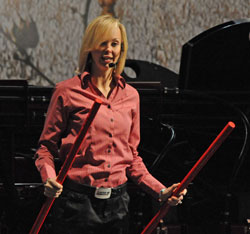
 Presenters included Lisa Daniels, Executive Director and founder of
 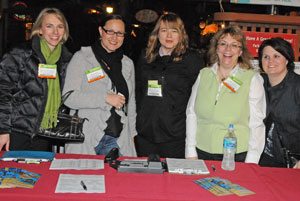 Here’s the happy smiley greeting crew for
  Well, we’re in the home stretch. It’s the final day of AG CONNECT Expo and the temperatures are supposed to be in the 70’s today! I’ll be back out on the show floor today along with Joanna Schroeder conducting interviews and hope to have a wrap up interview from show staff by the end of the day.
 A year ago would you have thought you’d see this proudly displayed in an agribusiness booth?
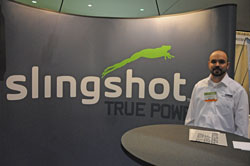 Precision agriculture technology is on display all over the AG CONNECT Expo show floor. I don’t think I’ve seen quite so many exhibits outside of a show dedicated to this growing technology application. Raven Industries is one of the companies exhibiting something new here at the show.