The U.S. House of Representatives today voted 217-203 to pass the agricultural appropriations bill for fiscal 2012, cutting $2.7 billion in discretionary spending, including funds for USDA’s proposed Grain Inspection, Packers and Stockyards Administration (GIPSA) regulation.
 The National Cattlemens Beef Association (NCBA) and the National Pork Producers Council (NPPC), both opposed to the proposed rule, are pleased that the appropriations bill could put it on hold. “The National Pork Producers Council is grateful that the House is requiring USDA to take a time out on the GIPSA rule, which as proposed is bad for farmers and ranchers, bad for consumers and bad for rural America,” said NPPC president Doug Wolf of Wisconsin, who adds that the rule would cost the pork supply chain about $333 million a year.
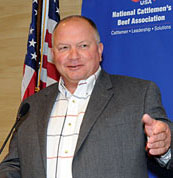 NCBA past president Steve Foglesong of Illinois says their beef cattle producer members are thrilled with the vote in the House. “When we had our annual meeting back in February, the priority coming out was this GIPSA rule,” Steve said. “It was one thing our members said absolutely cannot happen.”
Other organizations pleased with the action include the National Turkey Federation, National Chicken Council and American Meat Institute. The appropriations measure still must go through the Senate and is likely to change substantially.
Listen to comments from Doug and Steve here: NPPC and NCBA on GIPSA Funding


 The National Corn Growers Association Corn Board today elected Pam Johnson of Iowa to become the organization’s first vice president for the next fiscal year, which begins Oct. 1. When she becomes NCGA president in October 2012, Johnson will be the first woman to lead NCGA.
 It’s been almost exactly a year since USDA’s
 Controlling enteric diseases caused by ileitis and Salmonella can help both keep food safe and pork producer profits growing. “Enteric diseases are sometimes below the threshold of detection,” said Kent Schwartz, DVM with Iowa State University. “Feed is the largest input into the cost of production and anything that comprises intestinal function has a propensity to cost money and among many other factors are infectious diseases.”
 Since control of Salmonella is a food safety concern, BIVI senior veterinarian John Kolb says it is is something producers can and should address. “Salmonella’s always going to be there,” he said. “One more thing that we can do to reduce the amount of Salmonella in the pig itself, is use vaccination.”