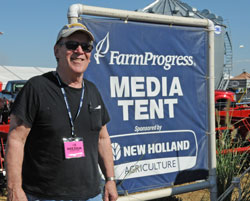
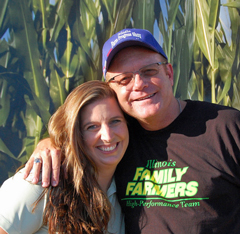
 One of our first stops coming in on pre-opening day at the Farm Progress Show was at the Illinois Corn Growers tent, where Chuck posed with his Illinois Family Farmers t-shirt and Illinois Corn Communications Director Tricia Braid while I got to interview her.
Tricia says the IL Corn exhibit really has two main themes – with race cars outside and regulatory concerns inside. “Illinois Corn Growers Association and our sister organization Illinois Corn Marketing Board, we’re both here, so we’ve got the checkoff side of things and the association – the regulations, litigation, policy,” Tricia said.
So, race cars on the outside – the checkoff side – features the Clint Bowyer American Ethanol NASCAR show car and the Nationwide Series Kenny Wallace car sponsored by Family Farmers. “By the way, that’s the actual car that he (Kenny) ran in Chicagoland,” Tricia said.
Inside the tent, it’s all about regulations and what you think is happening on your farm compared to what Washington thinks. “Couple of weeks ago we heard the president answer a question from a farmer to throttle back on the regulations and the president’s answer – to paraphrase – was ‘don’t worry about that’ – well, we’re worrying about that,” Tricia said. Farmers have a chance to find out more about proposed regulations and action to take to make their voices heard.
And, of course, there’s lots of info about ethanol and ethanol-blended fuel.
Listen to or download my interview with Tricia here. IL Corn Growers' Tricia Braid
2011 Farm Progress Show Photo Album

 Hello and welcome to day two of the Farm Progress Show. It’s a beautiful day but things are going to heat up today and even more so tomorrow. Put on some sunscreen, dress light and come on out and enjoy the show! The flags are flying and welcome you in.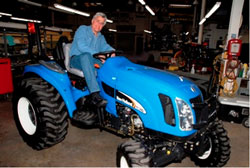
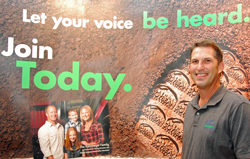 The
The  But, as they say on the infomercials, wait there’s more. “The legislative work we’re going to do with that (your membership) is gonna bring a lot more money back to your farm than any membership dollars going out,” Matt said. “It’s not about the money to be a member, it’s about standing up and being counted.”
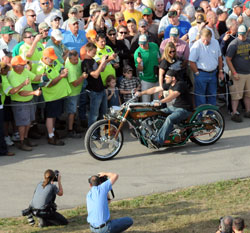 Welcome to the first day of the 2011 Farm Progress Show.