
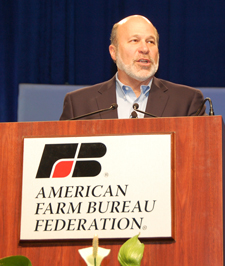
 The president of the American Farm Bureau Federation told members gathered for the organization’s 93rd annual meeting Sunday that America’s farmers and ranchers are more productive than ever and are providing a solid economic foundation for our nation.
“We are the 1 percent that is producing food and fiber for the other 99 percent,” said Bob Stallman of Texas in his annual address to the approximately 7,000 Farm Bureau members gathered for the annual meeting in Honolulu.
As the voting delegates of the nation’s largest farm organization will be setting policy this week for the year ahead that includes the writing of a new farm bill, Stallman talked about their Systemic Risk Reduction Program proposal, which he says is unique in that it helps protect farmers from catastrophic losses while recognizing budget realities. “It is also unique in that it can be applied to a broader range of commodities like fruits and vegetables,” he said.
Talking about the toll that increasing government regulations are having on agriculture, Stallman suggested a new type of reality show. “I’d have government regulators try to farm under the growing web of restrictions that farmers and ranchers face,” he said to applause. “Before long they would find out they couldn’t do half the things they thought they could … The winner – if one emerged – would be awarded a machinery bill, a margin call and a mortgage.” Let’s pitch that idea to the networks!
Listen to or download Bob Stallman’s comments here: AFBF president Bob Stallman
AFBF 93rd Annual Meeting Photos
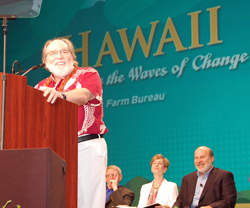 Hawaii Governor Neil Abercrombie welcomed members of the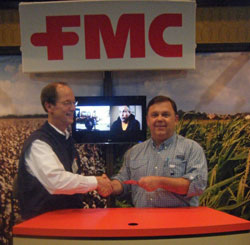
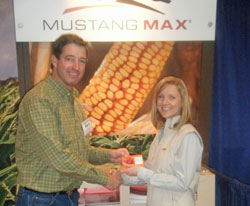
 Farmers and ranchers from around the nation are heading to the Aloha State this weekend to “Navigate the Waves of Change” at the 93rd Annual
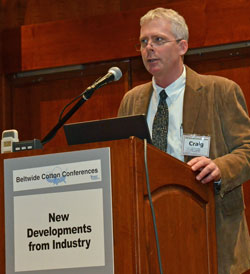
 This year’s Beltwide Cotton Conferences attracted about the same size crowd as last year according to

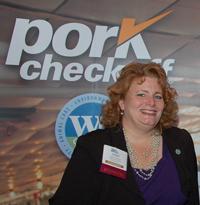 Our good friend is being celebrated today for 20 years of service to America’s pork industry. As Mike notes, Cindy “helped guide the pork industry through the price collapse in 1998 and through the H1N1 disaster in 2009. She’s also helped the industry avert a few thousand other crises — large and small — in between and since. And crisis management is just a small part of her job description. We all can be thankful she has chosen to dedicate these past 20 years to serving pork producers.”